



Recommended spotting scopes
Our Recommended spotting scopes list includes all high-quality models selected by our experts. We have considered maximum zoom power, quality and image stability. In addition, we have taken different budgets into account. So whether you are looking for an entry-level model or a professional spotting scope, we have the perfect match for you!
10
Search results
Sort by:
Popularity
Popularity
Price low - high
Price high - low
["122062763","12260431","12335260","12260324","12345366","12223946","12187497","12223314","12430026","122063010"]
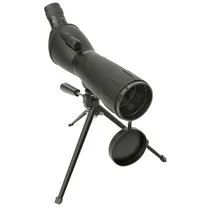
National Geographic 20-60x60 Spotting Scope
In stock
79, 90 €
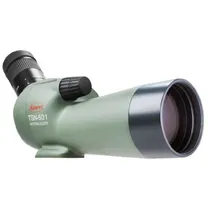
Kowa TSN-501 20-40x50 Spotting Scope
In stock
List price 329 €
299 €

Bresser Pirsch 25-75x100 GEN II Spotting Scope
Temporarily sold out
499 €

Vortex Viper HD 20-60x85 Spotting Scope
In stock
List price 999 €
913 €
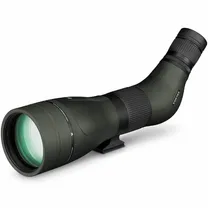
Vortex Diamondback HD 20-60x85 Spotting Scope
In stock
List price 599 €
539 €

Vortex Razor HD 27-60x85wa Spotting Scope
In stock
List price 1889 €
1687 €

Swarovski ATX 30-70x95 Spotting Scope (eyepiece + objective module)
In stock
List price 4930 €
4229 €

Bresser Travel 20-60x60 Spotting Scope
In stock
89, 90 €
 5 years warranty
Kowa Spotting Scope TSN-99A Prominar Kit with TE-11WZ II WA Eyepiece
In stock
List price 4398 €
3899 €

Bresser Spotting Scope Pirsch 25-75x100
Temporarily sold out
519 €
Popularity
Price low - high
Price high - low
How do you use a spotting scope?
The function of a spotting scope is ideal for spotting birds and objects in landscapes. With their high magnification and stability, these scopes offer added value over standard binoculars. You can get objects much closer to you and the image is much more detailed and sharp than with binoculars. With the spotting scope, you can choose an angled or straight spotting scope. The angled spotting scope is most commonly used when spotting birds. You can use the scope more easily over a longer period of time and position the eye piece on the side or bottom. This makes it possible to observe objects moving skyward. The straight-angle spotting scope is mainly used for hunting. A straight spotting scope provides a ‘point and shoot’ alignment and is easier to use low to the ground.
What do you look out for when buying a spotting scope?
Spotting scopes are available from Vanguard, Swarovski, Nikon and Bushnell, among others. When choosing the right spotting scope, you can pay attention to certain features. One important feature is the application of the spotting scope. If you are going to use it in a fixed location. then it is advisable to buy a scope with a larger lens (80mm/90mm). The moment you start making more movements with the scope, a 50mm/60mm scope is recommended. In addition, built-in image stabilisation can also be an important factor. The heavy weight of the spotting scope makes it difficult to get the object as stable as possible in focus. Some spotting scopes have built-in image stabilisation, but often a tripod can help here. It also pays to use different eyepieces, which allow you to change the spotting scope's magnification factor.