




Light Meter
A light meter is a handy tool to measure brightness, for you to then adjust your camera accordingly.
34
Search results
Sort by:
Popularity
Popularity
Price low - high
Price high - low
["12248071","12525771","12458472","12552991","117156","12533421","12533418","122071165","12458473","12194534","12194535","12367432","12533417","12181520","12273138","1215545","122071164","12181521"]
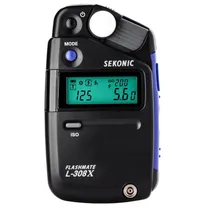
Sekonic L-308X Flashmate
In stock
List price 301 €
257, 89 €
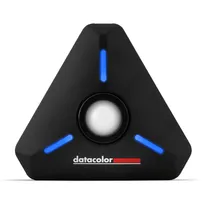 Competitively priced + free Datacolor Spyder Tripod Pro
Datacolor LightColor Meter
In stock
List price 349 €
249 €

TTArtisan Light meter II, black
Temporarily sold out
72 €

KEKS KM01C Digital Light Meter black
Temporarily sold out
109, 90 €

Sekonic L-208 Twinmate
Temporarily sold out
List price 167 €
133, 90 €

KEKS KM02 digital light meter, silver
Temporarily sold out
149, 90 €

KEKS KM-Q digital light meter OLED display on top, black
In stock
129, 90 €

Sekonic C-7000 SpectroMaster
In stock
List price 2741 €
2300, 78 €

TTArtisan Light meter II silver
Temporarily sold out
72 €

Voigtländer Exposure Meter Silver
In stock
289 €

Voigtlander VC Meter II Black
In stock
289 €

Sekonic L-398A Studio Deluxe III Limited 70 Year Anniversary Edition
On order
List price 479 €
418, 49 €

Keks KM-Q digital light meter OLED display back, silver
Temporarily sold out
129, 90 €

Sekonic L-478D LiteMaster Pro
Temporarily sold out
List price 476 €
379, 26 €

Sekonic C-800 SpectroMeter
In stock
List price 2177 €
1743, 61 €

Sekonic L-389A Light Meter
In stock
307 €

Sekonic L-478VF 5° Viewfinder
In stock
List price 179 €
149 €

Sekonic L-478DR LiteMaster Pro
In stock
List price 566 €
475, 39 €
Popularity
Price low - high
Price high - low
What is a light meter?
A light meter is a device comprising different sensors and a display screen that shows the measurements taken. The correct amount of light impacts the final photographic result and the lighting triangle (ISO, aperture and shutter speed) must all be in balance in this regard. The issue is that adjusting everything manually takes up quite a lot of time, so a Sekonic or Gossen light meter can simplify things.
Light meter components
A light meter comprises a display screen surrounded by various sensors that each have a specific function. The globe at the top of the measuring sensor ensures the light is spread evenly across the sensor. This is often rotatable, making it easy to turn towards the light and to measure the light incidence on the subject. Some models, besides the measuring sensor at the top, also have a measuring sensor on the side, making it possible to measure light in a very small area. Some light meters can be attached to a flash via a sync connection, to enable the flash to go off as soon as the measurement has been taken. The key aspect in gaining true insight into the brightness is the display. This displays all the measurement results, which you can then use to adjust your camera settings accordingly.
Meter functionality
Now that we have looked at the components of a light meter, we'll examine what a light meter has to offer a photographer. Put simply, a light meter determines the ideal brightness for your footage using sensors, and in doing so indicates the correct settings to use. The ISO value must be given in advance, along with the aperture or the shutter speed. Based on this input, the light meter indicates the setting for the other component. The designated aperture or shutter speed is often a highly accurate reading given by the meter. Naturally, this all changes if multiple flashes are used to take the photo, or if sunlight plays a pivotal role. In this instance, you can play around with the varied functionality the light meter has to offer. A light meter's functionality truly comes into its own when you use multiple flashes in a studio. Firstly, you set everything up and switch the lights on. You then measure the values at the various places of light incidence, which then allows to you to tweak both flash capacity and the camera's settings.