




Binoculars
Whether you love star-gazing, birdwatching or watching sports, we have the perfect binoculars for you.
726
Search results
Sort by:
Popularity
Popularity
Price low - high
Price high - low
["12182000","12188304","12181981","12345269","12266322","12183841","12535177","12416245","12412006","12205847","12344221","12182007","12234561","12339246","12234558","122055198","12234557","12178401"]

Nikon Travelite CF EX 8x25
On order
139 €
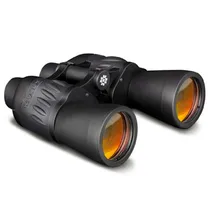
Konus Binocular Sporty 10x50 WA
On order
List price 69,95 €
63, 95 €

Nikon Aculon A211 7x35
On order
119 €
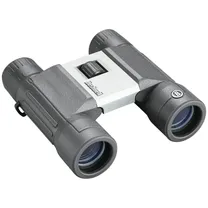
Bushnell Powerview 2.0 10x25 Aluminium, MC
On order
List price 59,99 €
52, 99 €
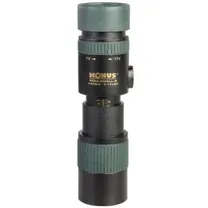
Konus Monocular Konusmall-2 7-17x30
On order
49, 95 €
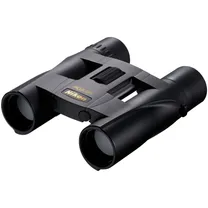
Nikon Aculon A30 8x25 Black
On order
89, 99 €

OM SYSTEM 8x21 RC II WP Binoculars - Olive Green
On order
List price 79,99 €
69, 99 €

Nikon Aculon T02 10x21 Black
On order
79, 99 €
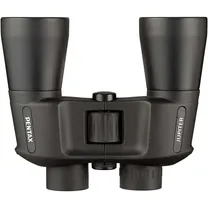
Pentax Jupiter 16x50 Binoculars
On order
List price 119,99 €
102 €
Pentax UP 8-16x21 Black
On order
List price 139,99 €
99 €
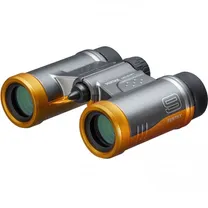
Pentax UD 9x21 Grey Orange
On order
List price 79,99 €
71, 95 €

Nikon Travelite CF EX 10x25
On order
158, 99 €
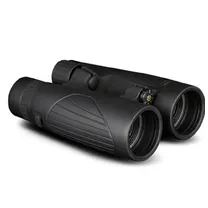
Konus Titanium Evo OH 10x42 WP Binoculars
On order
List price 119 €
105 €

Nikon Sportstar Zoom 8-24x25 Black
On order
149 €

Konus Basic 10x25 Binoculars
On order
24, 95 €
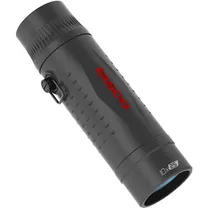
Tasco 10x25 Monocular Essentials 2016
On order
20, 99 €

Konus Basic 8x21 Verrekijker
On order
22, 95 €
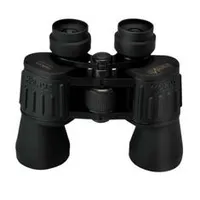
Konus Binoculars Konusvue 7x50
On order
List price 55,95 €
49, 95 €
Popularity
Price low - high
Price high - low
Binoculars
From professionals who use binoculars for observation purposes, to water sport, mountain sport, hiking, theatre, bird or plane enthusiasts: binoculars are hugely versatile when it comes to observing and spanning long distances. The multi-functionality of binoculars makes them ideal for trips, events, sports or nocturnal use.
Versatile magnification
Binoculars can be subdivided into two key types: roof prism (or penta prism) and the wider porro prism. The former directs light in pretty much a straight line to the eyes. The second type directs light via parallel prisms to the eyes. The choice is subjective, with weight and comfort playing crucial roles in decision-making. The 'best' magnification factor - the first number listed - primarily depends on the subject: on average, 7x is the most versatile. For theatre use it is 3-5x and for events and ball games it is 5-7x. For water sports or nature observation it is usually 8-12x and for bird and plane spotting it is often 12-20x.
Light intensity
The light intensity can be ascertained from the second number listed, usually between 30 and 50, and represents the front lens' diameter. An interesting value is the exit pupil value (the diameter divided by the magnification factor). This is an important visibility indicator in poor light. The greater the number, the better perception by the human pupil of the bincoular's image field. After all, in reduced light, the pupils enlarge. The same happens as we age.
Browse our extensive collection
As already mentioned, the choice of binocular depends on your personal wishes and needs. Most manufacturers produce one or more models for each option. Due to their exceptional quality and service, we offer an extensive selection from e.g. Leica and Zeiss. But we also offer a range of models by Swarovski and Steiner. In the less expensive range we have a number of beauties by Nikon, Bushnell and Pentax.
Expert advice provided at point of purchase
A few key criteria apply therefore when buying binoculars that are expressed in numbers; these can be found under the product information. In addition, it is also advisable to take into account the ergonomics and your personal preferences.