



Light Stand
A robust light stand offers support when using studio lights and flashes during strobist, product and portrait photography.
145
Search results
Sort by:
Popularity
Popularity
Price low - high
Price high - low
["122063853","12210638","12186908","12257854","122061370","12473441","12336492","12397525","12319616","12389891","12375671","12294491","12371753","12375670","12389884","12475124","12342310","12391399"]
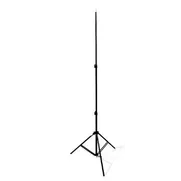
Falcon Eyes I-2601 Light Stand 92-260cm
In stock
37, 95 €

Falcon Eyes Compact Light Stand LMC-1900 63-221 cm
In stock
34, 95 €

Godox Witstro Portable Light Boom
In stock
List price 24,95 €
21, 95 €

Manfrotto A2033FCBKIT Avenger C-Stand
Temporarily sold out
399, 99 €
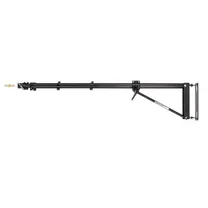
Manfrotto 098B Wall Boom
Temporarily sold out
249, 99 €
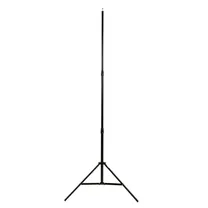
Caruba Lamp stand LS-4 (sprung), 280 cm
Temporarily sold out
39, 95 €
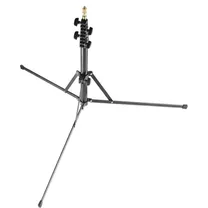
Godox 210F Lamp stand with reversible legs 213cm (7')
On order
List price 44,95 €
37, 15 €

Bresser BR-C6M heavy studio tripod 6 m with wheels
In stock
259 €
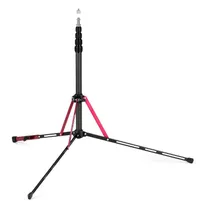
Manfrotto Nanopole Compact Carbon Light Stand
In stock
209, 99 €

Helios Boom Stand BS24
In stock
179 €
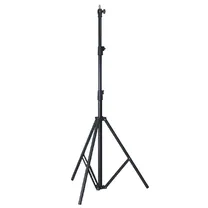
Photo Galerie LS-260 light stand
List price 69 €
55 €
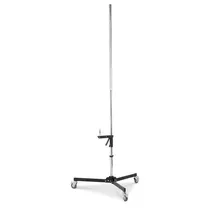
Manfrotto 231CS Column Stand
In stock
List price 454,99 €
325, 50 €
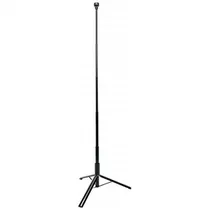
Lume Cube 5ft Adjustable Light Stand
In stock
109 €
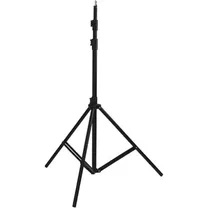
Photo Galerie LS-220 lamp stand
List price 39 €
33 €
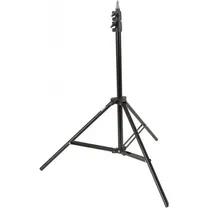
Helios Light Stand LS 10 195cm / 74cm
In stock
39 €
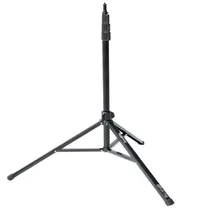
SmallRig 4379 RA-S200 Light Stand
In stock
List price 44,90 €
42, 61 €
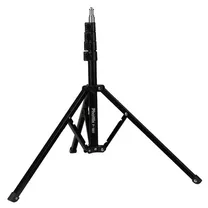
Phottix F-180 light stand
26, 99 €
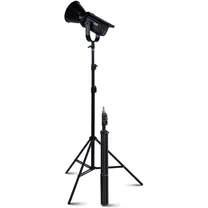
Phottix PX200 Light Stand (200cm/79")
List price 22,99 €
19, 99 €
Popularity
Price low - high
Price high - low
What is a light stand?
A light stand is a height-adjustable tripod from which you can suspend flashes, lights or continuous lighting. With its heavy construction, this tripod has been designed for use in studios, rooms and other spaces with a stable surface. Besides standard light stands there are also models with a boom arm, which allow for the light to be suspended above the subject. A few key suppliers of qualitative light stands are Jinbei, Falcon- Eyes, Bresser and Manfrotto.
Load capacity and working height
When choosing a light stand its maximum load capacity is a crucial deciding factor. Based on the model's load capacity you can then determine whether the studio lights and flashes are suitable for the tripod. Standard light stands can easily bear the weight of a few kilos, whereas higher end models boast a load capacity of up to 40kg. Another key aspect is the maximum working height. This can impact how the subject is to be brought into picture and the lighting angle. A standard working height is around 240cm, that is adjusted to the ceiling height of a house or studio. There are also light stands that can fold out to a height of nearly 400cm. Ideal for outdoor filming and photography.
Attaching a light or flash.
A spigot connection is located on top of the light stand. This metal pin features a notch in the middle, which the base of a studio light or flash can be screwed onto. The flash/light's nut clamps onto the tripod via the notch, and secures into position. Thus minimising the likelihood of accidents.